
9 Ways Pool Replastering Improves Water Quality and Comfort
A swimming pool should feel clean, comfortable, and inviting every time you step into it. Over time, however, even well-maintained pools can start to feel rough, look dull, or struggle with water clarity. These changes are often tied to the condition of the pool's interior surface. When that surface ages, it can affect everything from how the water looks to how it feels on your skin. That's where pool replastering becomes an important part of long-term pool care.
According to HomeLight, approximately 8% of homes in the United States have a pool, which means millions of homeowners rely on their pools for relaxation, exercise, and time with family and friends. For those homeowners, maintaining water quality and swimmer comfort is not a luxury. It is essential. Replastering is often viewed as a cosmetic update, but it plays a much larger role in how your pool functions on a daily basis. Below are nine key ways an interior surface refreshed by pool replastering can make a noticeable difference.
1. Improves Surface Smoothness for Swimmer Comfort
As a pool surface ages, it can become rough, pitted, or uneven. This roughness may not be obvious at first, but swimmers often notice it on their feet, hands, or swimsuits. Scrapes, snagged swimwear, and general discomfort can all stem from a worn interior finish.
A newly applied plaster surface restores a smooth, uniform texture. This creates a more comfortable swimming experience, especially for children and frequent swimmers. Smooth surfaces also make it easier to move through the water without friction from sharp or coarse areas. The result is a pool that feels more inviting and enjoyable during every use, whether you're swimming laps or simply relaxing.
2. Reduces Algae Growth and Bacterial Harborage
Old, deteriorating plaster often develops tiny cracks and pores that are invisible to the naked eye. These small imperfections provide ideal hiding places for algae and bacteria. Once microorganisms settle into these areas, they can be harder to eliminate with routine cleaning and chemical treatments.
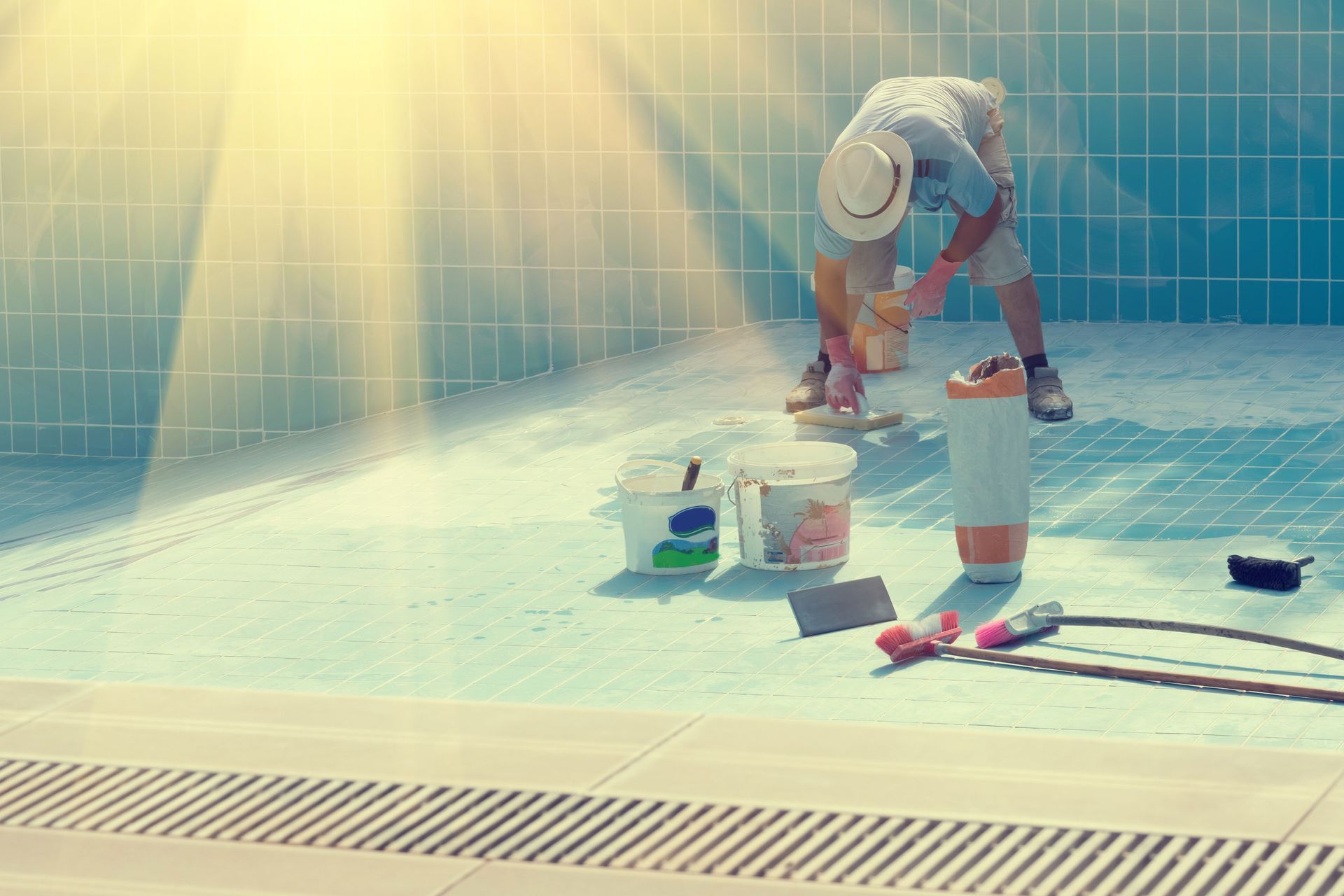
Pool replastering addresses this issue by sealing off those microscopic spaces. A fresh surface leaves fewer places for algae to cling to, helping your sanitizer work more effectively. This can lead to cleaner water with fewer recurring algae blooms and less dependence on aggressive chemical adjustments. Over time, that contributes to a healthier swimming environment and more predictable water balance.
3. Enhances Water Clarity and Visual Appeal
Water clarity is influenced by more than just filtration and chemicals. The condition and color of the pool surface play a major role in how clear and clean the water appears. Stained, mottled, or discolored plaster can make water look cloudy or dull, even when it is chemically balanced.
Replastering refreshes the pool's appearance by providing a clean, consistent backdrop beneath the water. Lighter finishes can brighten the pool, while modern plaster blends can create deeper, more reflective tones. In either case, the updated surface helps water appear clearer and more vibrant. This visual improvement often makes the pool feel cleaner and more appealing before anyone even gets in.
4. Supports More Stable Water Chemistry
Maintaining balanced pool chemistry becomes more challenging as plaster ages. Old surfaces can leach minerals into the water or react with chemicals in unpredictable ways. This may cause fluctuations in pH, calcium hardness, or alkalinity that require frequent adjustments.
A newly plastered pool provides a more neutral and stable surface. This allows chemicals to perform as intended without interference from deteriorating materials. With fewer chemical swings, pool owners often find it easier to maintain consistent water conditions. Stable chemistry not only improves water quality but also contributes to swimmer comfort by reducing eye irritation and skin dryness.
5. Improves Temperature Comfort and Heat Retention
The interior surface of a pool influences how heat is absorbed and retained. Rough or damaged plaster can create uneven heat distribution, leading to cold spots or inconsistent water temperatures. These variations can be uncomfortable, especially during early mornings or cooler seasons.
Pool replastering creates a uniform surface that allows heat to distribute more evenly throughout the water. Some modern finishes are also designed to work efficiently with heating systems, helping the pool maintain a comfortable temperature for longer periods. This can make swimming more pleasant and extend the usable season of your pool.
6. Minimizes Debris Accumulation and Simplifies Cleaning
When plaster becomes worn, debris such as dirt, leaves, and fine particles can cling more easily to the surface. This makes routine brushing and vacuuming more time-consuming and less effective. Debris that remains on the pool floor or walls can also contribute to cloudy water and increased chemical demand.
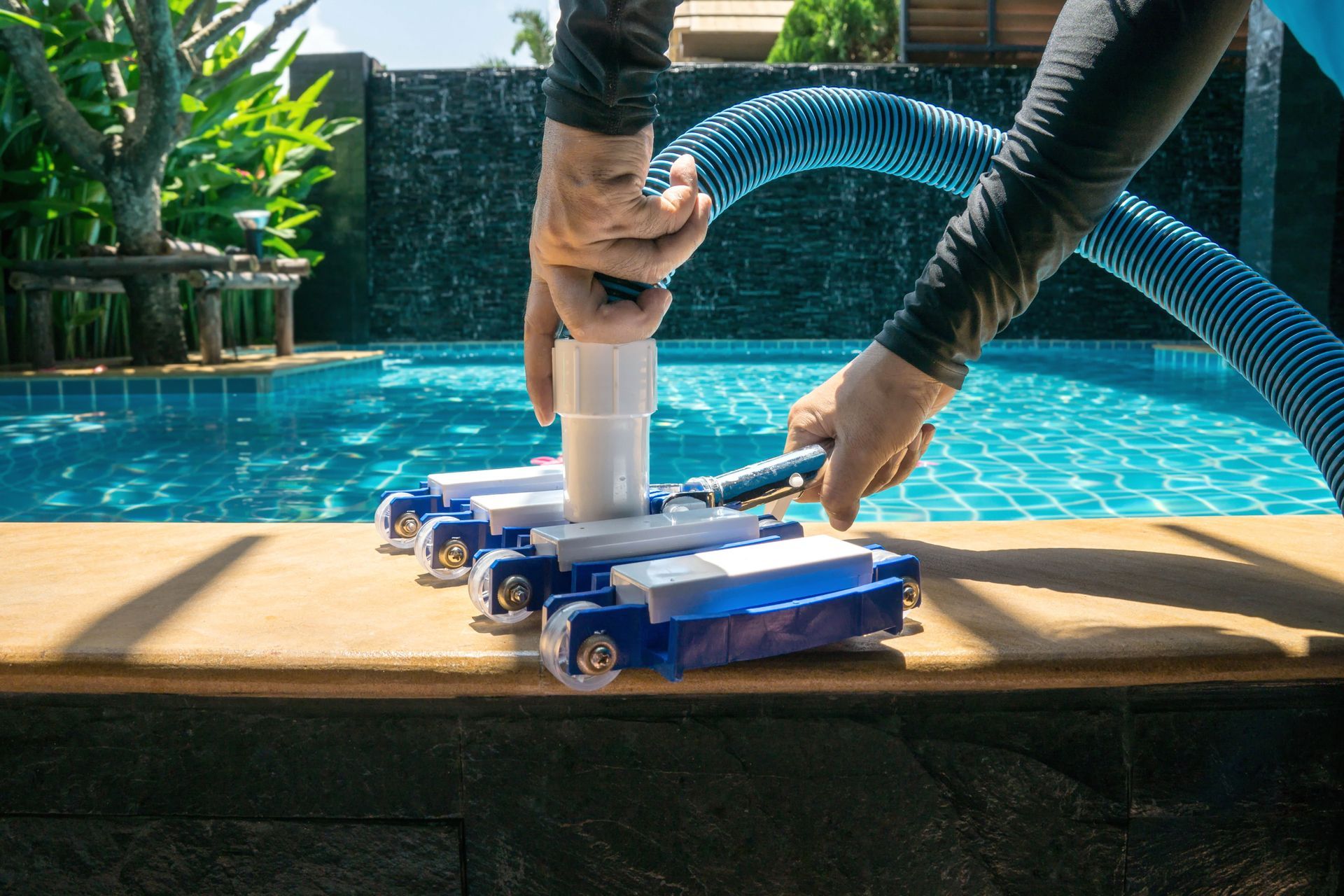
A freshly replastered pool offers a smoother, less porous surface that resists buildup. Dirt and debris are less likely to stick, allowing cleaning tools and filtration systems to work more efficiently. This leads to clearer water with less effort and helps maintain a more consistent level of comfort for swimmers.
7. Extends Overall Pool Usability and Enjoyment
Comfort and water quality go hand in hand with how often a pool is used. When swimmers feel comfortable and confident in the cleanliness of the water, they are more likely to use the pool regularly. Rough surfaces, recurring algae, or cloudy water can discourage use, even if the pool is otherwise functional.
By restoring the interior surface, pool replastering helps bring the pool back to a condition that feels new again. This renewed usability encourages more frequent swimming, social gatherings, and relaxation. The pool becomes a space people want to spend time in, rather than a feature that feels like a maintenance burden.
8. Promotes Safer Swimming Conditions for All Ages
A comfortable pool is also a safer pool, especially for households with children, older adults, or frequent guests. Worn interior surfaces can contribute to slips, scrapes, and minor injuries that interrupt enjoyment and raise concerns. A refreshed surface provides more consistent traction underfoot while still maintaining a smooth feel against the skin. This balance helps swimmers enter and exit the pool with greater confidence. Clearer water also improves visibility, allowing swimmers to better judge depth and movement. Together, these factors support an environment where safety feels natural rather than forced.
9. Reinforces Long-Term Value and Peace of Mind
Beyond day-to-day comfort, maintaining the pool's interior supports long-term ownership goals. A well-maintained pool signals care, attention, and pride in the property, which can matter during future renovations or resale discussions. Even for homeowners planning to stay long term, peace of mind comes from knowing the pool is operating as it should. When water quality stays consistent and surfaces feel comfortable, there is less second-guessing and fewer reactive fixes. That confidence allows pool owners to focus on enjoyment instead of ongoing concerns.
A pool's interior surface does far more than define its appearance. It directly affects water clarity, chemical balance, swimmer comfort, and overall enjoyment. From smoother surfaces and reduced algae growth to easier maintenance and better temperature consistency, pool replastering delivers benefits that are both immediate and long-lasting. For homeowners looking to protect their investment and improve daily use, addressing the condition of the pool surface is a smart and practical step.
If you're ready to enhance your pool's water quality and comfort with pool replastering, we invite you to reach out to us at Padre Pools. From the first conversation to the final result, we're here to help you bring new life to your pool and enjoy it with confidence for years to come. Contact us today to get started.
Share On: